
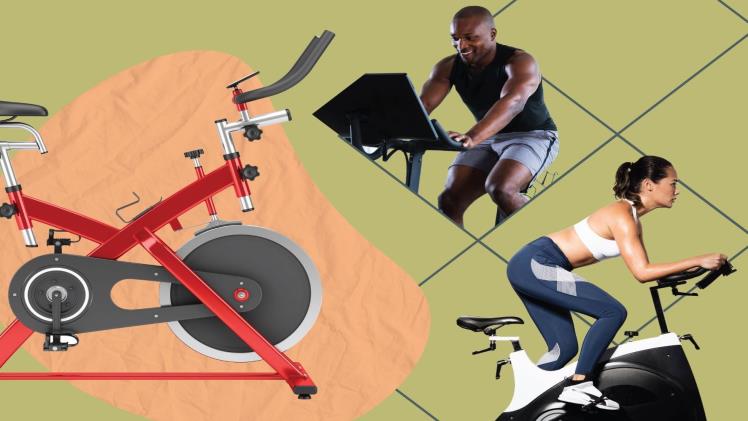
When it comes to fitness, the rise in popularity of low-impact workouts is undeniable. And it’s with good reason. Low-impact exercise offers a fantastic way to minimize the risk of injury while still delivering a great workout. Two commonly used machines for these are elliptical machines and exercise bikes. Both options have advantages, making deciding which is best for your low-impact workout challenging.
In this article, we will explore both machines and their impact on different parts of the body. Read on to discover some interesting and occasionally surprising information that can keep your joints, muscles, and overall body healthy.
● The Impact on Joints
When discussing the impact on joints that ellipticals and exercise bikes have, it’s essential to understand their unique design features. Ellipticals are crafted with low-impact workouts in mind, mimicking the natural movement of the ankle, knee, and hip joints during walking, jogging, or running. The distinguishing factor is that your feet remain on the pedals throughout the workout, substantially lessening joint impact. On the other hand, exercise bikes, especially recumbent ones, also provide a low-impact workout. The seated position alleviates stress on the joints and lower back. However, as these machines primarily target the lower body, they may not offer as comprehensive a reduction in joint impact as an elliptical machine does.
- Engaging Your Muscles
Ellipticals offer a comprehensive workout, engaging a wide array of body muscles. This includes the hamstrings, quadriceps, glutes, chest, back, biceps, and triceps. This total body engagement, mainly when exercised at high intensity, can significantly burn calories. In contrast, exercise bikes primarily target the lower body and cardiovascular system, specifically focusing on the thighs, calves, and glutes. While some models come equipped with movable handlebars to engage the upper body, they don’t provide as extensive a workout as an elliptical machine.
● Comparing Calorie Burn
The elliptical ability to engage multiple muscle groups simultaneously can result in a significant calorie burn. This muscle engagement means the potential for calorie burn on an elliptical machine can get much higher than other workout machines. While an exercise bike can also facilitate a decent calorie burn, it may not reach the same levels as an elliptical. This is usually due to the exercise bike’s focus on the lower body, meaning that fewer muscle groups are engaged during the workout.
● Exploring Workout Variety
The versatility of workout routines is crucial in keeping things exciting and challenging, and in this way, an elliptical machine often excels. Many come with adjustable incline and resistance settings, enabling users to customize their workout intensities. Some even have the option to pedal in reverse, allowing you to engage different muscle groups. Exercise bikes, on the other hand, typically offer variable resistance settings as well. However, they may not provide as much variety in the workouts that can be performed compared to ellipticals.
Conclusion: Use This Guide When Deciding Between an Elliptical and Exercise Bike
Ellipticals and exercise bikes both provide low-impact workouts but differ in their approach. An elliptical machine engages more muscle groups and offers a higher calorie burn and workout variety. It also mimics natural movement, reducing joint impact. Exercise bikes focus on the lower body and cardiovascular system, offering a good calorie burn and less strain on joints, particularly with recumbent models. The best choice depends on your fitness goals and preferences, so try both machines to see which suits you best.
