
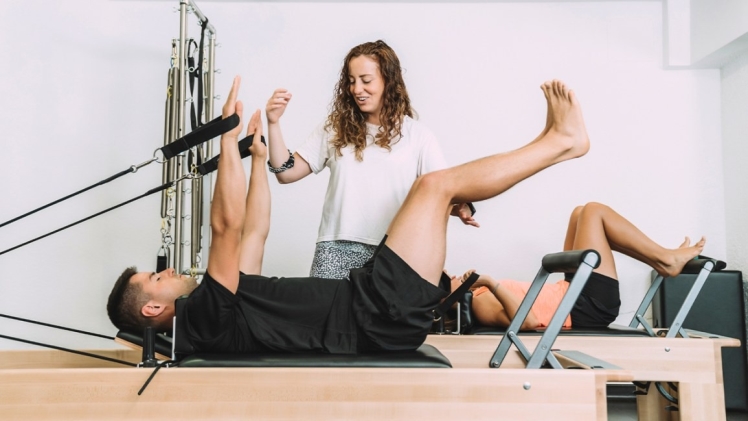
Physical therapy helps restore movement and function after injury. More and more physical therapy clinics are offering Pilates, which has emerged as a remarkable and versatile tool for rehabilitation. Originally developed by Joseph Pilates, Pilates is a comprehensive system of exercises that emphasizes core strength, flexibility, balance, and alignment. The low-impact nature of the exercise and control required throughout the movements has been a leading reason for its widespread use in physical therapy.
While often associated with fitness and general well-being, Pilates has gained significant recognition in the field of physical therapy for its therapeutic benefits. There are a multitude of reasons for this, with a positive impact on patients and their injuries. This increased use of Pilates in physical therapy highlights its contributions to rehabilitation, pain management, and overall functional enhancement.
At Ironhorse Physical Therapy and Pilates in San Ramon, CA, our team understands the benefits of Pilates and uses it for a range of injuries and conditions as a holistic form of exercise.
The Use Of Pilates In Physical Therapy
Whether it’s a professional athlete recovering from an injury or an individual seeking relief from chronic pain, Pilates offers a transformative journey toward physical well-being. The fusion of mindful movement and therapeutic principles that Pilates embodies presents a holistic approach that resonates with the core values of physical therapy. As research and practice continue to converge, the partnership between Pilates and physical therapy is poised to yield even more innovative solutions for health and well-being.
Let’s explore some of the reasons Pilates has become such a popular rehabilitation tool:
Rehabilitation And Recovery
One of the fundamental applications of Pilates in physical therapy is its role in rehabilitation and recovery. Individuals recovering from injuries, surgeries, or other medical conditions often face challenges in regaining strength, mobility, and coordination. Pilates exercises, which can be tailored to accommodate various physical limitations, facilitate a gradual and controlled path to rehabilitation.
The low-impact nature of Pilates exercises makes them particularly suitable for those who are in the early stages of recovery. The emphasis on controlled movements helps to minimize the risk of re-injury, allowing patients to rebuild their strength and flexibility without exacerbating existing conditions. By targeting specific muscle groups, Pilates assists in restoring muscle balance and joint stability, which are essential components of the recovery process.
Pain Management
Chronic pain is a pervasive issue that affects millions of people worldwide. San Ramon, CA Pilates has shown promising results in managing various types of pain, including back pain, joint pain, and muscular imbalances. The integration of mindful movement and controlled breathing in Pilates contributes to pain reduction by promoting relaxation, improved circulation, and enhanced body awareness.
Pilates exercises focus on strengthening the core muscles, which provide essential support to the spine and pelvis. This targeted approach helps alleviate stress on the back and joints, subsequently reducing discomfort. Additionally, by improving posture and alignment, Pilates aids in preventing unnecessary strain on the body, fostering long-term pain relief.
Posture Improvement
Modern lifestyle factors, such as prolonged periods of sitting and poor ergonomic practices, have contributed to a rise in postural issues. Pilates places a strong emphasis on posture awareness and alignment, making it a valuable tool in addressing postural imbalances. The exercises work to strengthen the muscles responsible for maintaining proper posture, while also stretching those that may have become tight due to poor habits.
Through consistent Pilates practice, individuals learn to engage their core muscles and maintain a neutral spine position, both of which are crucial for optimal posture. Improved alignment not only enhances physical appearance but also prevents musculoskeletal problems and reduces the risk of injury. Physical therapists often integrate Pilates-based exercises into their treatment plans to instill postural awareness and promote healthy movement patterns.
Functional Enhancement
Beyond rehabilitation and pain management, Pilates contributes significantly to enhancing overall functional capacity. Many physical therapy patients can aim to regain not just basic mobility but also the ability to perform daily tasks with ease. Pilates exercises simulate real-life movements and challenges, making them highly effective in enhancing functional capabilities.
Under the guidance of physical therapists and by focusing on core stability, balance, and controlled movement, Pilates helps individuals regain their confidence and independence in activities like walking, lifting, and reaching.
Pilates Is A Becoming A Leading Treatment
Pilates has evolved from being a fitness trend to becoming an integral component of physical therapy. Its emphasis on controlled movements and core strength aligns seamlessly with the goals of rehabilitation, pain management, and functional enhancement. As physical therapists continue exploring holistic approaches to healthcare, Pilates stands out as a versatile and effective tool that empowers individuals.
Consult our San Ramon physical therapy team at Ironhorse PT and Pilates to see how Pilates may be helpful for you.
